What We Built. What We Learned. What Comes Next.
When I look back at my first year shaping branding and communication at Impulso.Space, I do not see campaigns and ads.
I see a team that consciously decided that communication would not be a decoration. It would be part of the infrastructure.
In space, nothing works without coordination. Launch vehicles, satellite teams, range operators, customs, insurance, and cleanroom access. Everything is a chain. Everything is interdependent.
Communication turned out to be no different. And the biggest lesson of this year was simple: communication only works if it reflects how the company actually operates.
Here is my take on what we have built in one year.
Starting With the Foundation
Before publishing more posts, before increasing visibility, before pushing announcements, we did something less visible but far more important.
We built the brand book.
Not because it looks good in a shared drive, but because we needed to define our position. We agreed on how we describe our services, where we draw the line, and how we speak about our work without exaggeration.
Those conversations were not marketing conversations. They were team conversations.
They involved operations, leadership, and business development. They forced us to articulate what makes Impulso different. We are not just connecting satellite companies to rockets. We are coordinating logistics, facilities, compliance, preparation, and launch access as one integrated layer.
It moved from paper into practice. It became part of daily work. You can see it in our materials, in our conversations, and in how the team presents Impulso.
Turning Communication Into a System
The next step was structure:
We set up the newsletter. We aligned content with business cycles.
We focus on planning. Planning is underrated in marketing. In launch logistics, predictability reduces risk. In communication, predictability builds trust.
Instead of random bursts of activity, we built rhythm. And rhythm creates recognition.
The Pan Am Spirit: Destination Orbit
The Pan Am-inspired campaign was not born from nostalgia. It was born from positioning.
There was something powerful in the way Pan Am once presented travel. Structured. Elegant. Reassuring. You did not worry about the baggage chain or the operational complexity behind the scenes. You trusted the system.
That is how we believe launch logistics should feel.
The campaign allowed us to translate a highly technical service into something intuitive and human. It was not just about aesthetics. It was about confidence.
And it worked because the team believed in it. Operations saw themselves in it. Leadership stood behind it. It was not a marketing layer applied from the outside. It came from within.
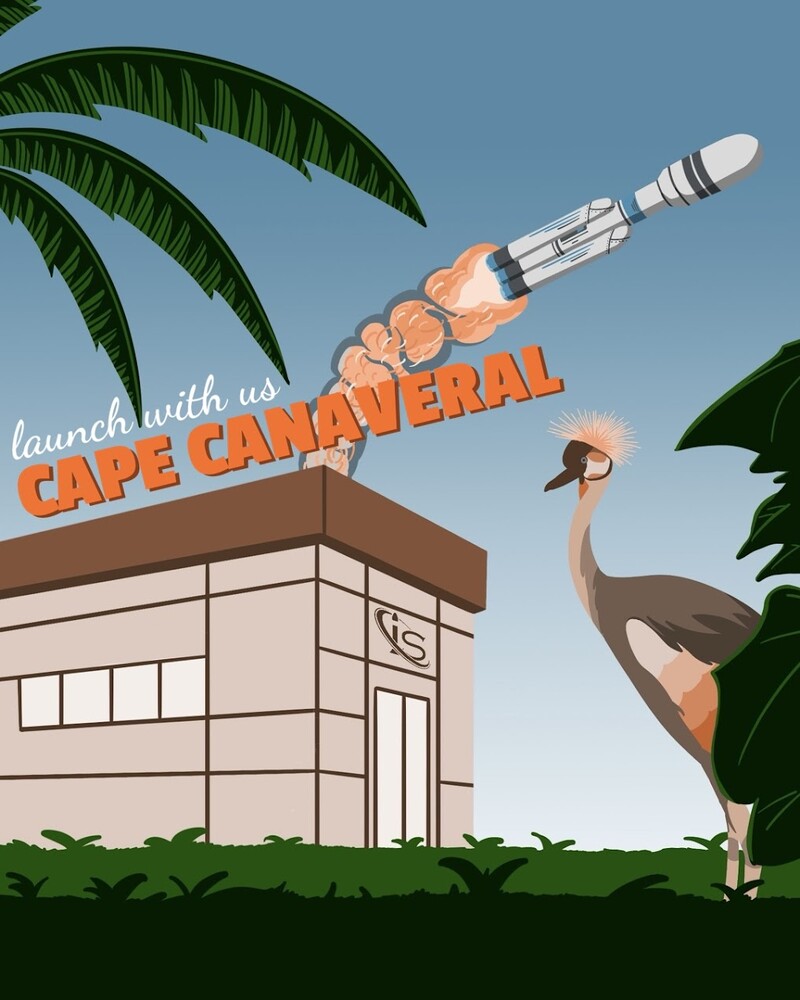
Pan Am inspired poster
Using What We Already Have
One of my favorite parts of this year has been discovering that some of the most distinctive elements were already in the building.
Alberto Guerrieri’s drawings became part of our visual identity. Meeting notes turned into LinkedIn posts. Lessons from launch campaigns became structured articles.
Instead of outsourcing personality, we amplified internal talent.
That shift created ownership. It became a shared responsibility.
When people see their knowledge reflected publicly, they engage more deeply. They contribute more openly. And the narrative becomes authentic.
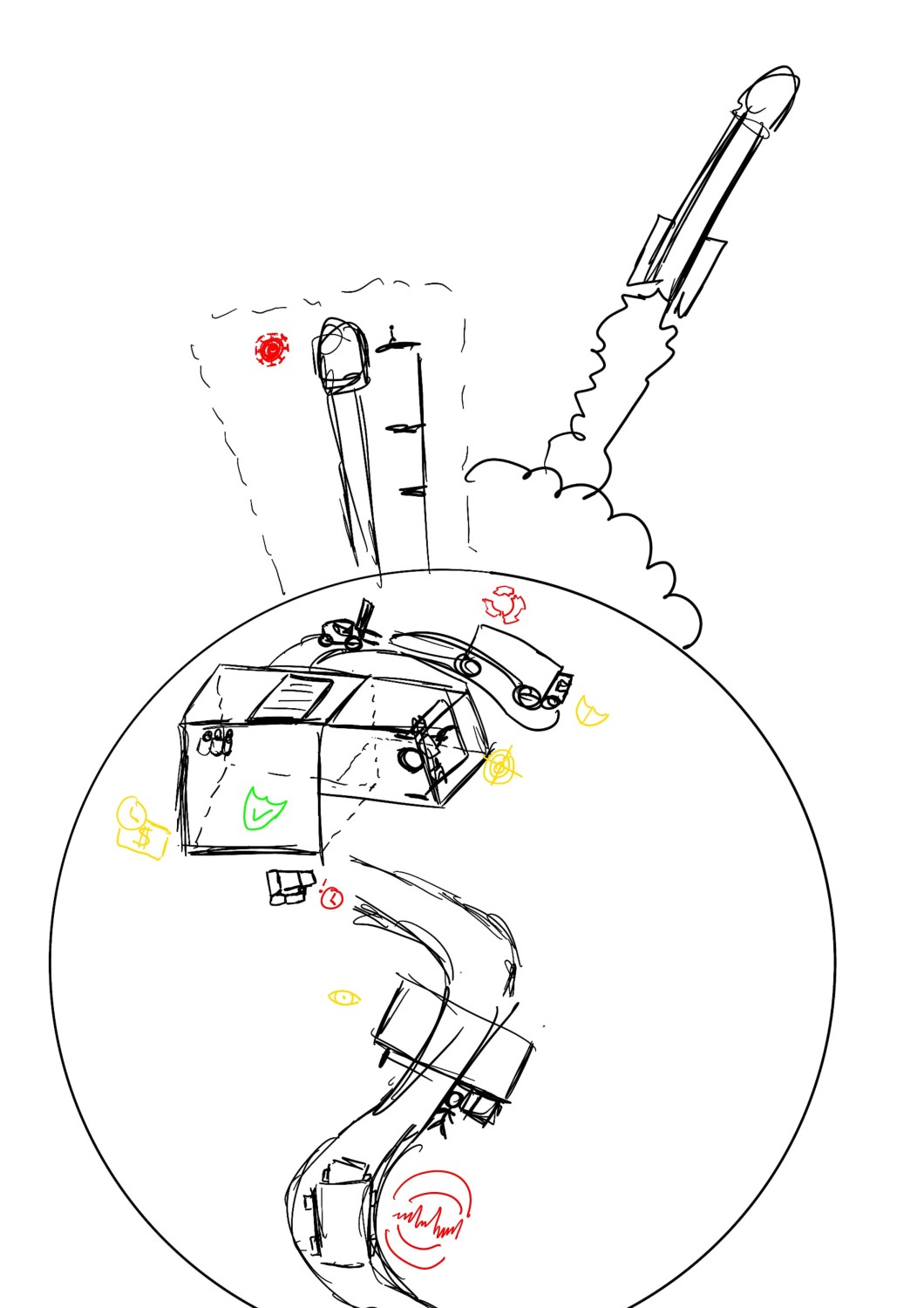
Initial sketch of our “Journey to space” roadmap
Thought Leadership as a Team Sport
Giulia, Italo, and Pietro each brought their voice.
Giulia Guerrieri’s voice reflects the commercial side of the industry, market positioning, business logic, and ecosystem thinking.
Italo Guerrieri brings an IT-driven lens, discussing system architecture, operational structure, and the logic behind Nexus.
Pietro Guerrieri contributes from a founder’s perspective, with strong views on logistics discipline, interoperability, and security in access to space.
When executives actively communicate, the company becomes multidimensional.
Platforms such as AccessHub and SpaceNews gave space to those perspectives, but the real work happened internally. Drafting, refining, debating angles, aligning tone.
Thought leadership is rarely spontaneous brilliance. It is a collaborative effort.
And that collaboration strengthened the team.
Conferences as Collective Presence
We also became more intentional about conferences. Not just attending. Showing up.
When one of us steps on stage, the entire company stands behind that moment. Slides are reviewed together. Angles are discussed. Messaging is sharpened.
A presentation is not just exposure. It is a live demonstration of how we think.
And when multiple team members consistently communicate the same narrative across different events, recognition builds.
People begin to understand what Impulso actually does.
Supporting Content Creation Across the Company
Another quiet but important shift has been encouraging internal content creation.
Capturing insights after meetings. Turning lessons learned into posts. Extracting value from operational experience. It requires a culture where sharing knowledge is not risky but encouraged. Where visibility is not ego-driven but mission-driven.
Marketing became a connective tissue between departments.
Becoming Clearer, Together
Perhaps the most meaningful progress is this: we are clearer.
Clearer about our role in the ecosystem. Clearer in how we describe our services. Clearer in what problems we solve.
Clarity is rarely created by one person. It emerges through dialogue. Through disagreements. Through refinement. And this year was full of those conversations.
And that is why the progress feels solid.
What We Are Building Now
Making the Website Work Harder, In Progress
Another important shift is currently underway.
We are reworking our website. Not because something was wrong, but because we have grown.
As our positioning became clearer internally, we realized the digital front door has to reflect that same clarity. If someone lands on our homepage, they should immediately understand who we are, what we coordinate, and why it matters.
Right now, we are actively improving structure, simplifying navigation, refining language, and making the user journey more intuitive. This is a team effort. Operations, leadership, and marketing are aligned on how our services should be presented.
At the same time, we are giving Nexus the visibility it deserves.
Nexus is not just a feature. It is part of our operational backbone. It reflects how we approach traceability, coordination, and campaign management across complex launch flows. Showcasing it properly requires careful positioning. We are working on that.
The goal is simple: when someone visits impulso.space, they should not feel confused. They should feel oriented: Clear. Structured. Professional.
The website is not finished. But it is evolving, just like the company.
Lastly, we are working on deeper educational content around launch logistics and operational risk. We are refining how we communicate Nexus. We are strengthening our presence across the U.S. and European markets. We are aligning communication even more closely with business development.
Our communication strives to mirror the way we operate: structured, collaborative, and accountable.
One year in, what I am most proud of is not a campaign or a metric. It is the team.
Communication at Impulso is not a layer added at the end. It is part of how we move forward together. And that is how narrative turns into business impact.
prepared by Daniela Jovic, Head of Communications